
Paper in the bathroom, paper towels in the kitchen, tissues on the nightstand, maybe some printer paper on your desk. We use paper products every single day without thinking twice about it.

Here's something most people don't know—making all that paper is pretty rough on the planet. Traditional paper comes from trees that took decades to grow, and the manufacturing process uses tons of water, energy, and chemicals. It's one of those things we've just accepted as normal.
But what if there was a better way? Turns out, there is. Bamboo paper is showing up more and more as a real alternative to tree-based paper. And it's not just some trendy eco thing—the science behind why bamboo works better is actually pretty solid.
What Makes Paper "Sustainable" Anyway?
Before we dive into bamboo specifically, let's talk about what sustainability actually means when it comes to paper products.
Sustainable paper should tick a few boxes. The raw material needs to regrow quickly so we're not depleting resources faster than nature can replace them. The manufacturing process should use less water, less energy, and fewer nasty chemicals. The product should break down naturally after you toss it. And ideally, growing the raw material should actually help the environment instead of harming it.
Traditional paper made from trees fails most of these tests. Trees take 20 to 30 years to mature enough for harvesting. Clear-cutting forests destroys habitats and contributes to climate change. The paper-making process uses enormous amounts of water and often involves chlorine bleaching, which creates toxic byproducts.
We've been making paper from trees for so long that it seems like the only option. But it's not.
Enter Bamboo: The Fast-Growing Alternative
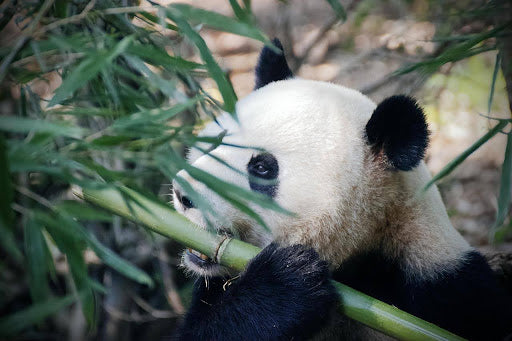
Bamboo isn't a tree—it's actually a type of grass. And that simple fact changes everything about how sustainable it is as a paper source.
Growth Speed That's Hard to Believe
This is where bamboo gets really interesting. Some bamboo species grow up to three feet in a single day. That's not a typo. Three feet. In 24 hours.
A bamboo plant reaches maturity in about three to five years. Compare that to the 20 to 30 years it takes for trees used in traditional paper production. According to research from the (INBR) International Network for Bamboo and Rattan, bamboo's rapid growth rate makes it one of the fastest-renewing resources on Earth.
Replanting is Not Necessary
Here's an additional benefit of bamboo. When harvesting it, the root system is preserved while the stalks are chopped off. From those same roots, the plant simply grows again. Nothing needs to be replanted.
The entire tree is cut down when using tree-based paper. There is still the multi-decade wait for the new trees to mature, even in managed forests where they replant. Additionally, the actual replanting process is labor-intensive, resource-intensive, and not always successful.
Bamboo is far more effective because it can regrow from its existing roots. Faster turnaround with less labor and resource input.

Water Usage: A Significant Difference
It takes a lot of irrigation to grow trees for paper, particularly in places with irregular rainfall. Each tree requires thousands of gallons of water.
Bamboo requires a lot less water. It doesn't need the continuous irrigation that tree farms do, and it is naturally suited to grow in regions with moderate rainfall. Certain types of bamboo can survive just on rainfall.
Bamboo still wins when the water used for harvesting and processing is taken into account. It requires less water to process into paper and is a drier crop to grow.
Fact: A bamboo forest absorbs roughly 35% more carbon dioxide than an equivalent stand of trees. Studies published in environmental science journals have shown that bamboo's rapid growth and dense root systems make it exceptionally effective at carbon sequestration.
The Manufacturing Process: Cleaner Paper Production
You can't just chop down bamboo and wipe with it. Obviously. You need to turn those stalks into actual paper, and that's where things get interesting from an environmental standpoint.
Less Chemical Processing
Traditional paper mills dump chlorine all over wood pulp to bleach it white. Nobody wants brown toilet paper, so they blast it with chemicals. Problem is, chlorine creates dioxins—nasty stuff that doesn't break down in nature and builds up in animals and fish. Bad news all around.
Bamboo starts out lighter than wood pulp. It doesn't need as much bleaching to look white. A lot of bamboo paper makers skip chlorine completely and use hydrogen peroxide or oxygen instead. These alternatives get the job done without creating toxic waste.
Less chemical processing means cleaner rivers and lakes near paper mills. The local ecosystems don't get hammered by pollution. It's a straightforward improvement.
Energy Efficiency
Making paper from trees takes a ton of energy. You need to grind and process the wood fibers heavily because they're short and tough. All that mechanical processing eats up electricity.
Bamboo fibers are longer and stronger right from the start. They don't need as much grinding and beating to turn into pulp. Less processing means less energy consumed.
Some bamboo paper operations run on solar power now. Others burn bamboo waste as fuel, which is carbon-neutral since the bamboo absorbed that carbon while growing. Either way, you're looking at a smaller carbon footprint than old-school paper mills that burn fossil fuels around the clock.
Water Usage in Manufacturing
Paper mills go through water like crazy. We're talking thousands of gallons for every ton of paper. Then that water comes out contaminated with chemicals and wood pulp bits.
Bamboo uses less water to process. The fibers are easier to work with, so you don't need as many rinse cycles. And since there are fewer chemicals involved, the wastewater isn't as nasty.
The really innovative bamboo operations recycle their water. They clean it and run it through the system again instead of just dumping it in the river. Closed-loop systems like this slash water consumption way down.
How Bamboo Paper Performs in Real Life
Here's the thing nobody talks about enough. You can have the most eco-friendly product on Earth, but if it doesn't work, people won't buy it twice. So does bamboo paper actually hold up?
Strength and Durability
Remember those terrible recycled paper towels from the '90s? You'd try to wipe up a spill and they'd just disintegrate into wet clumps. Useless.
Bamboo paper is nothing like that. The fibers are naturally long and tough. When you make paper from them, you get a product that actually works.
Bamboo toilet paper holds together when it needs to. Kitchen towels don't shred apart when you're cleaning up coffee or wiping down counters. Tissues are soft on your nose but don't fall apart when they get wet.
This isn't magic—it's just the structure of bamboo fibers. They're stronger than most wood fibers to begin with, so the final product is stronger too.

Softness and Comfort
People expect green products to be uncomfortable. Like somehow caring about the environment means you have to suffer through scratchy toilet paper as penance for existing.
That's not how bamboo works. Those long fibers create a smooth surface that feels soft against your skin. Bamboo toilet paper compares well against the expensive cushiony brands. Sometimes it's actually softer.
You're not giving up comfort here. You get soft and strong at the same time, which is pretty much the ideal for any paper product.
Biodegradability
All paper eventually breaks down. But "eventually" covers a pretty wide timeframe.
Regular tree-based paper can sit in a landfill for months before fully decomposing. If it's been heavily treated with chemicals, it takes even longer. Same deal in septic tanks—some paper just hangs around.
Bamboo breaks down faster. The fibers decompose more readily whether they're in a septic system, a compost pile, or a landfill. This matters especially for toilet paper since it's getting flushed.
Less time decomposing means less chance of clogs in your plumbing or buildup in septic tanks. It also means less waste hanging around in landfills taking up space for years.
Addressing Common Questions and Concerns
People ask me about bamboo paper all the time. Some questions come up more than others, so let's get into them.
Is Bamboo Harvesting Sustainable?
Depends who's doing the harvesting. When it's done right, workers cut the bamboo stalks but leave the roots in the ground. The plant grows back from those same roots. No replanting needed, no waiting decades for new growth. Just cut and let it regrow.
But not everybody does it right. Some operations actually clear out existing forests to plant bamboo farms. That's insane—you're destroying the very thing you're trying to protect. Others harvest so aggressively they don't give the bamboo enough time between cuttings. The plants get stressed and the whole system breaks down.
This is why you need to pay attention to where your bamboo comes from. Look for stamps from the Forest Stewardship Council or Rainforest Alliance on the packaging. Those certifications mean somebody checked that the bamboo was grown and harvested responsibly. Not perfect, but better than nothing.
Is Bamboo Paper Really Better Than Recycled Paper?
Well. Recycled paper is definitely better than cutting down virgin trees. But here's the catch with recycled paper. Every time you recycle paper, the fibers get shorter and weaker. After a few rounds through the recycling process, those fibers are too beat up to make decent paper. You have to add fresh material to the mix just to keep things workable.
Bamboo starts with long, strong fibers. Even if you recycle bamboo paper, it holds up better than recycled tree paper. And when bamboo paper finally wears out, it breaks down fast and clean.
Both recycled paper and bamboo paper beat regular tree paper hands down. But bamboo edges ahead in most categories. Better strength, better decomposition, better overall sustainability profile.
The Bigger Picture: Why Your Paper Choices Matter
Switching to bamboo toilet paper seems pretty minor in the grand scheme of things. One household, one product. How much difference could it possibly make?
More than you'd think, actually.
The Scale of Paper Consumption
Canadians go through roughly 55 pounds of tissue and hygiene products per person every year. Toilet paper, paper towels, facial tissues, hygiene products—all of it adds up. Now multiply that by nearly 40 million people.
That's over 1 billion kilograms annually—more than 2.2 billion pounds of tissue products consumed across Canada. The average Canadian uses about 41 rolls of toilet paper alone each year, not counting paper towels, napkins, and other tissue items.
That's billions of pounds of paper annually. Billions. Try to picture that much paper and your brain just kind of gives up.
All that paper comes from somewhere. Trees get cut down. Water gets used. Chemicals get dumped. Energy gets burned. The environmental cost is massive.
Now imagine if just 10% of people switched to bamboo. Not everyone—just one in ten. That would still save millions of trees every year. It would reduce chemical pollution in waterways. It would lower carbon emissions from paper production.
Your individual choice multiplied by millions of people? That's how you move the needle on environmental issues.
Making Sustainable Choices Accessible

Adrian/Pixabay
Sustainability can't just be for wealthy people with time to research every purchase. It needs to work for regular folks living regular lives.
That's what makes bamboo paper interesting. You're not sacrificing anything. The quality is there. The price is reasonable. You're just grabbing a different package off the shelf when you're at the store anyway.
No major lifestyle change required. No lectures about saving the planet. Just a slightly different choice that happens to have better environmental outcomes.
Real change doesn't come from guilt trips or asking people to live like monks. It comes from making better options available and letting people choose them because they actually work.
The Future of Paper Products
Bamboo isn't the only game in town. Scientists are working on paper made from agricultural waste—stuff farmers would normally throw away or burn. Hemp is making a comeback as a paper source. Some researchers are even looking at algae.
But right now, today, bamboo is the furthest along. It's commercially viable. You can actually buy it. The supply chain exists. The manufacturing process works.
As technology gets better, bamboo paper production will get cleaner and more efficient. New methods will use even less water and energy. Harvesting practices will improve as the industry matures.
We're early in this transition. Bamboo paper is still a tiny slice of the overall paper market. But that slice grows every year. More people try it, like it, stick with it. More stores stock it. More companies make it.
Making the Switch to Bamboo Paper
Thinking about trying bamboo paper? Here's my advice.
Start small. Pick one product—maybe toilet paper since you're buying it anyway. Try a package. See what you think. If you like it, great. If not, try a different brand. They're not all identical.
Once you've found a bamboo toilet paper you like, maybe try paper towels next. Then tissues. No need to overhaul your entire bathroom in one shopping trip.
Read the labels. Look for those sustainability certifications we talked about earlier. Companies doing things right usually advertise it—they want you to know.
Give it a real shot. Bamboo paper might feel a bit different at first. Your brain expects one thing, gets another, takes a minute to adjust. Most people get used to it fast and end up preferring it.
Tell people about it if it comes up. Not in an obnoxious way—nobody likes the person who lectures everyone about their superior choices. But if someone asks or the topic comes up naturally, share what you learned. Word of mouth matters.
The Bottom Line on Bamboo Paper Sustainability
Let's recap the basics.
Trees: 20 to 30 years to mature. Bamboo: 3 to 5 years. Trees need pesticides and fertilizers. Bamboo doesn't. Cut down a tree, you wait decades for a replacement. Cut bamboo, it grows back from the roots in a few years. Traditional paper production dumps chemicals everywhere and guzzles water. Bamboo production uses less of both.
The numbers favor bamboo pretty clearly. It's a more sustainable source for paper products. Not perfect—nothing is. But genuinely better.
This doesn't mean every bamboo product beats every tree product in every situation. Sustainability is complicated. There are always edge cases and specific circumstances that change the equation.
But in general, yeah, bamboo represents real progress. You get quality products without the environmental damage of traditional paper manufacturing. That's a win.
This is practical environmentalism. Not perfect, not preachy, just better. And better is good enough to matter.
Next time you need toilet paper or paper towels, look for bamboo options. Try them. Form your own opinion. You might find it's an easy switch that feels good to make.
Sometimes the most impactful choices are the ones that barely feel like choices at all.

Leave a comment
This site is protected by hCaptcha and the hCaptcha Privacy Policy and Terms of Service apply.