

You probably used paper products three times before breakfast this morning. Toilet paper, paper towels to wipe up spilled coffee, maybe a tissue. We go through this stuff without thinking twice about where it comes from or what went into making it.
Here's the thing—those everyday paper products have a bigger environmental footprint than most people realize. And understanding what they're actually made of? That's the first step toward making better choices.

The Traditional Paper Product: Tree-Based Everything
Walk down the paper aisle at any store. Most of what you're looking at started as trees. Specifically, trees that took 20 to 30 years to grow before someone cut them down, ground them up, and turned them into the roll of toilet paper you're about to buy.
How Tree Paper Gets Made
The process isn't pretty. Loggers cut down trees—usually softwoods like pine, spruce, or fir. These trees get shipped to paper mills where they're stripped of bark and fed into massive chippers. The wood chips get cooked in chemical solutions that break down the lignin holding the fibers together.
This chemical cooking process uses a lot of nasty stuff. Chlorine is the big one—mills use it to bleach the pulp white because nobody wants brown toilet paper. Problem is, chlorine creates dioxins, which are toxic compounds that stick around in the environment and build up in the food chain. According to the Environmental Protection Agency, dioxins are serious pollutants linked to health problems in both humans and wildlife.
After bleaching, the pulp gets washed, pressed, and dried into paper. Then it's rolled, cut, packaged, and shipped to stores.
The Environmental Cost
Making paper from trees uses staggering amounts of resources. Paper mills are some of the biggest water consumers in industrial manufacturing—thousands of gallons per ton of paper produced. They're also energy hogs, burning fossil fuels around the clock to keep operations running.
Then there's the deforestation angle. Even in managed forests where companies replant after harvesting, you're still looking at decades before those new trees mature. And not all paper comes from managed forests. Some comes from clear-cutting operations that destroy habitats and contribute to climate change.
What About Recycled Paper?
Recycled paper sounds like the obvious solution, right? Take used paper, process it again, make new products. Cut down fewer trees.
It works, sort of. Recycled paper is definitely better than virgin tree paper. It keeps waste out of landfills and reduces demand for freshly cut trees.
Recycled paper also still requires processing—chemicals, water, energy. Less than virgin paper production, but it's not zero impact. And let's be honest, recycled toilet paper has that reputation for being rough. Some brands have improved, but the quality gap is real.
Enter Bamboo: A Different Kind of Paper
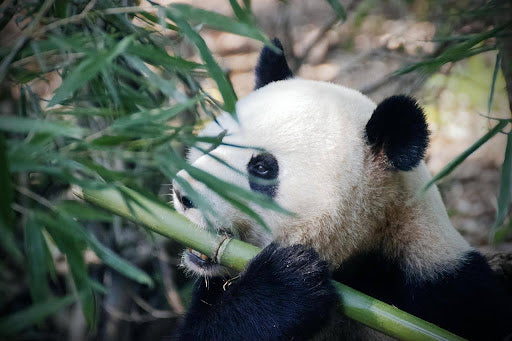
Bamboo paper has been gaining ground as an alternative, and for good reason. Bamboo isn't a tree—it's technically a grass. And that simple fact changes everything about its sustainability profile.
Why Bamboo Works Better
Bamboo grows insanely fast. Some species shoot up three feet in a single day. A bamboo plant reaches maturity in three to five years compared to 20 to 30 for trees. When you harvest bamboo, you cut the stalks but leave the root system intact. The plant regrows from those existing roots—no replanting necessary.
Pesticides and fertilizers are not necessary for bamboo to flourish. It grows well without the use of chemicals and is naturally resistant to pests. This results in healthier ecosystems surrounding bamboo farms, cleaner soil, and cleaner water runoff. Additionally, compared to most trees, bamboo absorbs carbon dioxide more quickly.
Processing Bamboo Into Paper
Turning bamboo into paper still requires processing, but it's a cleaner operation than traditional paper mills. Bamboo fibers are naturally lighter in color, so they need less bleaching. Many manufacturers use hydrogen peroxide or oxygen-based bleaching instead of chlorine—no dioxins created.
The fibers are also longer and stronger than wood fibers, which means they need less mechanical processing. Less grinding, less beating, less energy consumed overall. Some bamboo paper operations run on solar power or burn bamboo waste for fuel, further reducing their carbon footprint.
Water usage is lower too. Bamboo fibers process more easily, requiring fewer rinse cycles. And because there are fewer chemicals involved, the wastewater is cleaner and easier to treat before release.
Hemp Paper: The Forgotten Alternative
Hemp used to be a major paper source in the United States. The Declaration of Independence was drafted on hemp paper. Then hemp cultivation became illegal because of its association with marijuana, and the paper industry forgot about it.

Hemp is making a comeback now that laws have changed. Like bamboo, hemp grows fast—ready to harvest in about four months. It produces more usable fiber per acre than trees. It doesn't need pesticides. And it can grow in a wide variety of climates and soil types.
The challenge with hemp paper is infrastructure. We don't have many mills set up to process hemp right now. As the industry develops, hemp could become another viable alternative to tree-based paper.
What This Means for Your Choices
Knowing what paper products are made of changes how you think about buying them. That cheap mega-pack of toilet paper at the warehouse store? It probably came from clear-cut forests and was processed with harsh chemicals. The environmental cost got spread across the entire supply chain—from the forest to your bathroom.
Quality Doesn't Have to Mean Environmental Damage
Here's something that surprised me when I first learned about alternative paper products. You don't have to choose between quality and sustainability. Bamboo toilet paper is soft and strong—often softer than premium tree-based brands. Kitchen towels made from bamboo hold up to wet messes without falling apart.
The old assumption was that eco-friendly meant uncomfortable or ineffective. Scratchy recycled toilet paper reinforced that stereotype for years. But bamboo broke that pattern. You can have products that work well and cause less environmental harm.
Price Is Becoming Less of a Barrier
Bamboo paper used to cost noticeably more than conventional options. That gap is closing fast as more companies enter the market and production scales up. Right now, bamboo products typically cost about the same as premium tree-based brands. Sometimes less.
Even when there's a small price difference, think about what you're getting. Less deforestation. Cleaner water around paper mills. Lower carbon emissions. Support for companies trying to do things better. For a lot of people, that's worth an extra dollar or two.
Small Changes Add Up
Canadians use about 55 pounds of tissue products per person each year. Multiply that by nearly 40 million people, and you're talking over 2.2 billion pounds of paper annually. If even 10% of Canadians switched to bamboo or other sustainable alternatives, the environmental impact would be huge.
With just 4 million Canadians making the switch, that's 220 million pounds of pressure lifted from old-growth forests each year—forests that take centuries to regrow once cut down.
Fewer trees cut down. Less chemical pollution in waterways. Reduced carbon emissions from manufacturing. Your individual choice seems small, but it's part of a larger shift in consumer behavior that drives industry change.
Final Words
Your everyday paper products come from somewhere. For most people, they come from trees that took decades to grow, were processed with harsh chemicals, and required massive amounts of water and energy to manufacture.
Better alternatives exist. Bamboo grows in years instead of decades, needs fewer chemicals to process, and creates a quality product that actually works. Hemp offers similar benefits and could become more available as production infrastructure develops.
This isn't about guilt or sacrifice. It's about having information and making informed choices. Sometimes the more sustainable option is also the better product. That's when change becomes easy.
Next time you're shopping for toilet paper, paper towels, or tissues, look beyond the cheapest option on the shelf. Check what it's made from. Consider trying bamboo. See what you think.
The stuff you wipe with and clean with matters more than you'd expect. Not just for your household, but for forests, waterways, and the climate overall. Making better choices doesn't have to be hard. Sometimes it's just about grabbing a different package when you're at the store anyway.
That's practical sustainability—no drama, no preaching, just better options that make sense on their own merits.

Leave a comment
This site is protected by hCaptcha and the hCaptcha Privacy Policy and Terms of Service apply.